Underneath the urgency to change, there is often self hatred
1,919
2025-12-13
97

ScienceandNonduality
In one of the most piercing moments of our recent gathering, Francis Weller speaks about the urgency so many people feel to “change,” to “fix themselves,” to become someone more lovable or acceptable. He names what lies beneath this urgency: self-hatred masquerading as self-improvement. A quiet, desperate belief that who we are right now is not enough.
Francis reminds us that ...
In one of the most piercing moments of our recent gathering, Francis Weller speaks about the urgency so many people feel to “change,” to “fix themselves,” to become someone more lovable or acceptable. He names what lies beneath this urgency: self-hatred masquerading as self-improvement. A quiet, desperate belief that who we are right now is not enough.
Francis reminds us that this pressure to transform—to become better, cleaner, more disciplined, more spiritual—is often rooted not in longing, but in shame. It is a survival inheritance from cultures that taught us love must be earned and belonging must be proven. Underneath the hustle to change is a simple, devastating fear: If I don’t fix myself, I won’t be loved.
He offers another way.
A way that does not demand transformation as penance, but invites belonging as foundation. He speaks of soul work that begins with tenderness toward our own wounded places—a willingness to sit beside what hurts without rushing to correct it. Transformation, he says, comes not from self-hatred, but from intimacy with our own depths.
In a time of collapse, fracture, and urgency, Francis’s words land like cool water:
Before we change, we must soften.
Before we repair, we must welcome ourselves home.
 01:28
01:28European christianity has demonized the ways of connecting to the land
 00:51
00:51Kapa Haka — the heartbeat of Aotearoa. MAURI
 00:00
00:00投資什麼關係 會有保證收益?|台北樣教會 吳必然 牧師 | 台北樣線上主日
 00:27
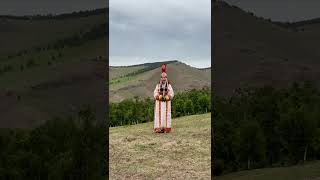
00:27Mongolian Urtiin Duu Long Song Tradition
 00:21
00:21Mauri Healer Atarangi Murupaenga
༺ 資料蒐集來源: YouTube ༻
本站不需註冊加入會員,保障個人隱私,完全不用Cookei
本站不需註冊加入會員,保障個人隱私,完全不用Cookei
